
What Is Densified Fiber

What Is Densified Fiber for Outdoor Cushions?
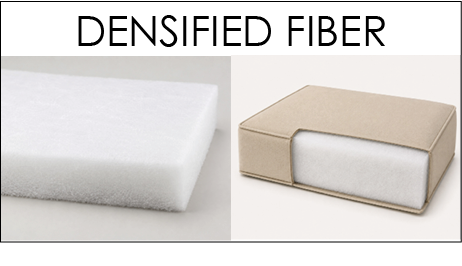
Densified fiber is a specialized cushion filling material made from compressed polyester fibers that are bonded together to create a firm, supportive, and durable cushion core. Unlike traditional polyurethane foam, densified fiber is constructed entirely from polyester fibers, resulting in a cushion fill that is lightweight, breathable, moisture resistant, and well suited for many outdoor furniture applications.
Because densified fiber contains no foam core, it behaves differently than many people expect. It does not have the same springy feel as foam, but it offers excellent structure, support, and shape retention. The material allows air to circulate through the cushion and drains well when exposed to moisture, making it a practical option for outdoor seating used in humid climates, poolside areas, patios, porches, and commercial environments.
Densified fiber has been used in outdoor furniture for decades. It is commonly found in dining chair cushions, wicker furniture cushions, bench cushions, chaise lounge cushions, commercial seating, and specialty replacement cushions where firmness, durability, and moisture resistance are important.

How Is Densified Fiber Made?
Densified fiber begins as layers of lofted polyester fibers. These fibers are compressed under pressure and bonded together through a specialized manufacturing process that creates a dense, supportive cushion material.
The result is a firm slab of polyester fiber that can be cut into a wide range of sizes and shapes for outdoor cushions, upholstery projects, and specialty seating applications.
Unlike loose polyester fiber fill, which remains fluffy and flexible, densified fiber maintains a more consistent shape and firmness throughout the cushion. It resists shifting, bunching, and clumping better than loose fiber, which is one reason it has remained popular for outdoor furniture cushions over many years.
Benefits of Densified Fiber For Outdoor Cushions
One of the biggest advantages of densified fiber is its ability to maintain its shape over time. Because the fibers are compressed and bonded together, the material offers consistent support and resists the uneven feel that can occur when loose fiber fill shifts inside a cushion cover.
Densified fiber is also a strong performer outdoors. Its polyester construction is non-absorbent, breathable, and resistant to moisture. When paired with outdoor cushion fabrics and proper cushion construction, densified fiber allows water to drain and air to circulate more freely than many traditional cushion materials.
Additional benefits of densified fiber include excellent moisture resistance, good drainage characteristics, breathable construction, mold and mildew resistance, lightweight handling, consistent support, long-lasting shape retention, and a firm, tailored appearance. Polyester fiber is also hypoallergenic for most users and does not yellow, crumble, or deteriorate in the same way some foam products can over time.
For customers looking for a firm, supportive outdoor cushion fill that performs well in changing weather conditions, densified fiber can be an excellent alternative to traditional foam.
Densified Fiber vs. Foam For Outdoor Cushions
Although densified fiber and polyurethane foam may appear similar once enclosed inside a cushion cover, they perform very differently.
Foam cushions typically provide a softer, more resilient feel. Foam compresses under weight and rebounds, making it a popular choice for deep seating furniture such as lounge chairs, sofas, loveseats, sectionals, and other areas where a softer seating experience is preferred.
Densified fiber generally provides a firmer and more structured feel. It compresses less than foam and gives the cushion a supportive, tailored appearance. Many customers describe densified fiber as firm and stable rather than plush.
One advantage of densified fiber is that it does not absorb water in the same way many traditional foam cushions can. Because it is made from polyester fibers, it drains well, releases moisture, and allows airflow throughout the cushion. This makes it especially useful for dining cushions, bench cushions, chaise cushions, poolside seating, and commercial outdoor furniture where exposure to rain and humidity is common.
Neither material is automatically better than the other. The best choice depends on the furniture style, cushion thickness, comfort preference, and how the cushion will be used.
Does Densified Fiber Feel Soft or Firm?
Densified fiber is generally considered a medium-firm to firm cushion fill. It offers comfort, but it does not feel the same as foam. Customers who are expecting a soft, sink-in cushion may prefer foam with a polyester wrap.
Densified fiber is best described as supportive, stable, and structured. It is often preferred by customers who want a cushion that holds its shape, feels firm when seated, and maintains a clean, tailored appearance over time.
Because the material is made from compressed polyester fibers, it provides consistent support throughout the cushion and is less likely to collapse, crumble, or break down like some lower-quality foam products.
Is Densified Fiber Better Than Foam for Outdoor Furniture?
Densified fiber is not better than foam in every situation, but it can be the better choice for certain outdoor cushion applications.
Foam is often preferred for deep seating cushions because it provides a softer, more luxurious seating experience. This is especially important for lounge furniture where customers expect comfort, resiliency, and a more relaxed feel.
Densified fiber is often preferred for dining chair cushions, wicker cushions, bench cushions, chaise lounge cushions, and commercial seating where firmness, moisture resistance, drainage, and shape retention are priorities.
Many outdoor furniture manufacturers have used densified fiber successfully for decades because it performs reliably in outdoor environments. It is lightweight, durable, breathable, and resistant to moisture, making it a practical choice for many replacement cushion projects.
How Cascadia Uses Densified Fiber
At Cascadia Outdoor Cushions, densified fiber is most commonly used in applications where firmness, durability, and moisture resistance are desired.
Typical uses include outdoor dining chair cushions, wicker dining chair cushions, bench cushions, certain chaise lounge cushions, outdoor back cushions requiring additional support, commercial outdoor seating, and specialty replacement cushions originally manufactured with fiber cores.
For most deep seating furniture, we typically recommend high-quality foam cores wrapped in polyester fiber because they provide the comfort and resiliency most homeowners expect from lounge furniture. However, for dining furniture and applications where a firmer feel is preferred, densified fiber can be an excellent choice.
Our goal is always to recommend the cushion construction that best matches the furniture, the original cushion style, and the customer’s comfort expectations.
Is Densified Fiber the Same as Other Outdoor Fiber Fill Products?
Densified fiber is sometimes marketed under various trade names within the outdoor furniture industry. While the names may vary, the basic construction is generally the same: compressed layers of polyester fiber designed to provide support, drainage, breathability, moisture resistance, and long-term outdoor performance.
Some outdoor cushion companies describe this type of material as layered polyester, compressed polyester fiber, outdoor polyfiber, cumulus-style fiber, or densified fiber. The important thing to understand is not the marketing name, but the construction and performance of the material itself.
Densified fiber is not loose pillow stuffing, and it is not polyurethane foam. It is a firm, bonded polyester fiber slab designed to hold its shape and perform well in outdoor cushion applications.
How Do I Know If My Existing Cushion Contains Densified Fiber?
Many homeowners already own cushions made with densified fiber and may not even realize it. Densified fiber has been used in outdoor furniture for decades, particularly in dining chair cushions, wicker furniture, bench cushions, commercial seating, and certain chaise lounge cushions.
One of the easiest ways to identify densified fiber is by the way the cushion feels. Densified fiber cushions are typically firmer than traditional foam cushions and do not have the same springy, resilient feel. When you sit on a densified fiber cushion, it compresses less than foam and provides a more supportive seating experience.
Another clue is the weight of the cushion. Densified fiber cushions are often surprisingly lightweight compared to foam cushions of the same size. This is one reason they have been popular in outdoor furniture applications where cushions are frequently moved, stored, or exposed to changing weather conditions.
If your cushion has a zipper opening, you may be able to inspect the interior. Foam cushions typically contain a yellow, cream, or white foam core, often wrapped with a layer of polyester fiber. Densified fiber cushions usually contain a solid white slab of compressed polyester fiber. It often resembles a firm, dense felt-like material rather than foam.
Older wicker furniture, outdoor dining sets, and many commercial-grade outdoor seating products frequently used densified fiber because it offered excellent moisture resistance, maintained its shape well, and performed reliably in outdoor environments.
If you are unsure what is inside your existing cushions, our team can often help identify the construction from photos or by discussing the furniture manufacturer and cushion style. Understanding the original cushion construction is one of the most important steps in selecting the best replacement cushions.
Final Thoughts
Densified fiber remains one of the most durable and versatile cushion filling materials available for outdoor furniture. Its combination of support, moisture resistance, breathability, shape retention, and long service life has made it a popular choice for both residential and commercial seating applications.
While densified fiber does not replace foam in every application, it offers unique performance benefits that make it an excellent solution for many outdoor cushion projects. For customers who prefer a firm, supportive cushion that drains well and maintains its shape, densified fiber is a proven and practical choice.
| Feature | Densified Fiber | Traditional Foam |
|---|---|---|
| Material | Compressed polyester fibers bonded into a firm slab | Polyurethane foam core, often wrapped with polyester fiber |
| Comfort Feel | Medium-firm to firm, supportive, and structured | Softer, more resilient, and spring-like |
| Best Uses | Dining chairs, benches, wicker cushions, chaise cushions, commercial seating | Deep seating, lounge chairs, sofas, loveseats, sectionals |
| Moisture Performance | Non-absorbent polyester construction drains well and releases moisture | Can retain moisture longer depending on foam type and cushion construction |
| Breathability | Allows airflow through the fiber structure | Less breathable than fiber unless specialty foam is used |
| Shape Retention | Excellent shape retention with a firm, tailored appearance | Good resiliency, but may soften or break down over time |
| Weight | Lightweight and easy to handle | Usually heavier than densified fiber |
| Outdoor Performance | Excellent for moisture resistance, drainage, and durability | Good for comfort, especially when protected with quality outdoor fabric |
| Appearance | Firm, clean, structured, and tailored | Softer, fuller, and more cushion-like |
| Customer Preference | Best for customers who prefer firm support and durability | Best for customers who prefer softer comfort and lounge-style seating |