RSS

Blog posts of '2025' 'November'

Outdoor Cushion Foam - What's Inside Your Patio Cushions

Outdoor Cushion Foam 101: What is the best foam to use for outdoor cushions?


When you’re shopping for outdoor cushions and patio furniture cushions, it’s easy to fall in love with the fabric first—color, pattern, and style. But underneath that beautiful fabric is the real workhorse: the foam. The foam inside your patio cushions is what determines how comfortable they feel, how well they support you, and how long they last on your patio.

At Cascadia Outdoor Cushions, we spend a lot of time thinking about what’s inside your outdoor cushions, not just what’s on the outside. This guide pulls back the curtain on foam, how it’s made, and what types work best for patio chair cushions, deep seating, and outdoor living spaces.


What foam really is (and why some foam is denser than others)


All those soft patio furniture cushions start in a very un-romantic place: a chemistry lab.

Most foam used in outdoor cushions is made from petro-chemicals—primarily a blend of polyols and isocyanates. When these ingredients react, they expand into a solid block of polyurethane foam. During manufacturing, the ingredients are mixed, whipped with air, and combined with blowing agents so the foam “rises” like cake batter and sets into big loaves. Those loaves are then sliced into the shapes that become your patio cushions and patio chair cushions.

The key concept here is density:

  • Foam density measures how much actual material is packed into a cubic foot of foam.

  • Higher density = more “stuff” inside = heavier, more supportive, longer-lasting foam for your outdoor cushions.

  • Lower density = lighter, cheaper foam that usually breaks down and flattens faster in patio furniture cushions.

Two foams can feel similar on day one, but the higher-density foam will almost always outlast the bargain foam in real-world use on your outdoor cushions.

Cell structure (open vs. closed) and additives also affect how foam handles water—how it absorbs, drains, and dries—which matters a lot when we’re talking about patio cushions that live outside.


“Outdoor foam” vs. “foam used outdoors” – Foam is foam


You’ll see a lot of marketing language that sounds like there’s a magical category called “outdoor foam.” The truth is simpler:

Foam is foam.

What makes it “outdoor” is how it’s engineered, how it’s covered, and how it’s used in your outdoor cushions and patio furniture cushions.

Some foams are formulated and cut specifically for patio cushions and patio chair cushions, with density, cell structure, and additives that help them perform better in outdoor conditions. But at the end of the day, we’re still talking about polyurethane foam (or specialty foam) that happens to be used outdoors.

That’s why the combination really matters:

  • The foam type and density

  • The fabric (Sunbrella, Outdura, etc.)

  • The design of the outdoor cushion (how water can escape or get trapped)

  • How you use and store your patio cushions

When we build custom outdoor cushions at Cascadia, we’re not just picking “outdoor foam.” We’re choosing the right foam for your outdoor use.


Types of foam used in outdoor cushions: comparison table


Here’s a high-level comparison of the most common foam and fill types used for outdoor cushions, patio cushions, and patio furniture cushions today.


Foam / Fill TypeBest ForComfort & FeelWater / Drying BehaviorDurability & Lifespan (Typical)ProsConsPrice Level*
Standard Polyurethane FoamBudget outdoor cushions in covered or protected spacesMedium-firm at first, softens over timeAbsorbs water; can stay damp if not allowed to dry fully~2–4 years with normal useAffordable, widely available, can be cut to almost any patio cushion shapeCan absorb moisture, may mildew if repeatedly soaked; loses height and firmness sooner in patio furniture cushions$
High-Density Outdoor FoamEveryday patio furniture cushions, deep seating, higher-end patio chair cushions & sofasSupportive, more “structured” comfortAbsorbs some water but dries faster than cheap foam~4–7 years with proper careBetter support and shape retention; more comfortable over time in outdoor cushionsMore expensive than standard foam; still needs reasonable protection from standing water on patio cushions$$–$$$
Reticulated / “Dry Fast” FoamOutdoor cushions in heavy rain exposure, poolside seating, boatsFirm–medium, very buoyant feelOpen-cell structure lets water pass through and drain quickly~5–8+ years with proper careDrains and dries very quickly; excellent for wet climates or pool areas where patio furniture cushions stay outsideHigher cost; slightly firmer feel (often paired with a fiber wrap for extra softness in patio cushions)$$$$
Bonded Polyester Fiber (Batting / All-Poly Fill)Back outdoor cushions, throw pillows, decorative patio cushionsSoft, plush, “pillow-y” comfortDoes not hold water like a solid foam block but can stay damp if packed densely~2–5 years depending on densityGreat loft and softness, ideal for backs and pillows; resists hard edges in patio chair cushionsFlattens faster under heavy use; not supportive enough alone for most seat patio furniture cushions$–$$
Shredded Foam / Mixed FillDecorative patio cushions, economy optionsMixed feel, can be uneven or lumpyVaries based on componentsVaries widelyLow cost, can use recycled materials in some blendsInconsistent comfort; can shift and clump; usually not ideal for primary seating outdoor cushions$
Memory Foam (Not Usually Recommended Outdoors)Niche use under protective covers in outdoor cushionsHighly contouring, slow-recovery feelHolds water, slow to dry, not designed for constant outdoor moistureCan break down quickly outdoorsVery comfortable indoors; molds to body shapeNot designed for outdoor moisture and UV; can trap water and grow mildew; usually a poor choice for patio furniture cushions$$–$$$

*Price levels are relative and meant as a general guide, not exact pricing.


Why is reticulated foam more expensive than regular foam?


If you’ve ever compared quotes and wondered, “Why are my outdoor cushions so much more expensive with reticulated foam?”, you’re not imagining it.

Reticulated (or “dry fast”) foam is engineered very differently from a standard foam core used in many patio cushions and patio chair cushions:

  • It has a highly open, three-dimensional cell structure that lets water pass through almost instantly, instead of soaking in and staying there.

  • Creating that open network of cells requires more complex manufacturing and higher material costs.

  • This foam is often used in marine, poolside, and high-exposure applications, so it’s built to perform in harsher conditions than standard foam in basic patio furniture cushions.

All of that shows up in the price. But for certain spaces—like pool decks, uncovered patios, or lake houses where outdoor cushions live in the weather—it’s one of the best investments you can make. Instead of sitting on soggy patio cushions, you get patio furniture cushions that drain quickly and get back to comfortable much sooner after a storm.


What we typically recommend for seat outdoor cushions


Most of our Cascadia customers come to us because they’re tired of patio cushions that go flat or stay soggy after one season. For seat outdoor cushions, we usually recommend:

  • High-density outdoor foam for:

    • Everyday patio furniture cushions

    • Covered porches

    • Most residential deep seating and patio chair cushions

    This gives you a great balance of comfort, support, and longevity while still being budget-conscious for custom outdoor cushions.

  • Reticulated “dry fast” foam for:

    • Poolside and dock seating

    • Uncovered decks and patios

    • Very rainy or humid climates

    Here, the quick drainage and drying are worth the extra cost because your patio furniture cushions are exposed to everything the sky throws at them.

In many designs, we add a polyester fiber wrap around the foam core. This softens the edges, adds a touch of plushness to your outdoor cushions, and gives your patio cushions a more tailored, rounded look—without sacrificing support.


What we like for back outdoor cushions and patio pillows


Back outdoor cushions and decorative patio pillows don’t need the same structure as a seat. Instead, you want them to feel soft, inviting, and supportive just enough.

For backs and pillows, we typically use:

  • Polyester fiber fill (sometimes channeled or compartmentalized to keep it from shifting inside the outdoor cushion cover)

  • A softer foam core wrapped in fiber when a little extra support is needed on taller patio furniture cushions

This gives you that “lean back and relax” feel in your patio chair cushions, while your seat outdoor cushions do the heavy lifting in terms of structure and support.


How to choose the right foam for your patio furniture cushions


Here’s a simple way to match foam to your outdoor space:

  • Mostly covered space, limited rain exposure:
    → Choose high-density outdoor foam for your primary outdoor cushions and patio furniture cushions.

  • Uncovered, wet, or poolside space:
    → Upgrade to reticulated “dry fast” foam to keep your patio cushions draining and drying quickly.

  • Backs and decorative pillows:
    → Go with polyester fiber fill or a softer foam + fiber wrap for plush, comfortable outdoor cushions and patio pillows.

If you’re not sure what’s currently inside your patio cushions, that’s completely normal—most tags don’t tell the whole story.


Need help choosing the right foam for your outdoor cushions?


You don’t have to decode patio cushion foam alone.

At Cascadia Outdoor Cushions, we:

  • Look at how and where you use your patio furniture cushions

  • Consider your climate, sun exposure, and rain

  • Talk through comfort preferences, maintenance, and budget

  • Recommend a foam and fill combination designed specifically for your outdoor cushions and patio chair cushions

Share a few photos and measurements, and we’ll help you choose the right foam so your patio cushions look beautiful, feel comfortable, and hold up season after season.

Solution-Dyed Acrylic vs Solution-Dyed Polyester vs Printed Polyester: What’s Best for Outdoor Cushions?
 

Solution-Dyed Acrylic vs Solution-Dyed Polyester vs Printed Polyester: What’s Best for Outdoor Cushions?


Custom Outdoor Cushions in quality outdoor fabrics     Custom Outdoor Cushions in quality outdoor fabrics


If you want the longest-lasting color and the softest hand, choose solution-dyed acrylic. If you want great value with very good fade resistance, choose solution-dyed polyester. If you’re decorating on a short timeline or chasing trend prints at the lowest price, printed polyester is the budget pick—but expect the shortest life outdoors.


Why “solution-dyed” matters

“Solution-dyed” means the color is added inside the liquid polymer before the yarn is extruded. The pigment becomes part of the yarn—like a carrot that’s orange all the way through—so UV light has far less to fade. Printed fabrics add color after the fabric is woven—more like painting the outside of a radish—so UV, abrasion, and cleaning break down the design faster.


Key differences In Outdoor Fabrics at a glance


AttributeSolution-Dyed Acrylic (SDA)Solution-Dyed Polyester (SDP)Printed Polyester (PP)
Coloration methodPigment added into acrylic polymer before extrusionPigment added into polyester polymer before extrusionDesign printed on fabric surface after weaving
UV fade resistanceExcellent (category leader)Very good (above average)Fair (lowest of the three)
Hand/feelSoft, cotton-like; premiumSmooth; slightly crisperSmooth; can feel film-like with some prints
BreathabilityGoodModerateModerate
Water & mildewFibers don’t hold water; resists mildew when kept clean & drySimilar performance; resists mildew when kept clean & drySimilar, but prints/finishes can degrade faster
CleanabilityStrong; tolerates deeper cleaningStrong; avoid high heat; good day-to-day cleanabilityMore delicate; prints can abrade/fade with scrubbing
Pattern/Color rangeSolids, textures, some jacquardsSolids, textures, some jacquardsWidest prints & trendy patterns
Typical outdoor warrantyOften 5+ years color-fade (brand dependent)Often 3–5 years (brand dependent)Often 1–3 years (brand/retailer dependent)
Price tier$$$ Premium$$ Mid-range value$ Budget
Best useLong-term outdoor living, full-sunValue builds, mixed sun/shadeSeasonal refresh, covered areas, décor accents


Deep dive: when to choose each outdoor fabric for patio furniture cushions


Solution-Dyed Acrylic (SDA)

  • Best for: Full-sun patios, poolside, boat docks, and customers who keep cushions outdoors most of the season.

  • Why it wins: Class-leading fade resistance and a soft, residential hand that still performs outside.

  • Care tips: Brush off debris, rinse, spot-clean with mild soap. For stubborn stains, follow brand guidance for diluted bleach solutions, then rinse thoroughly and air-dry.


Solution-Dyed Polyester (SDP)

  • Best for: Budget-savvy buyers who still want in-yarn color and solid UV performance. Great for mixed sun/shade and seasonal use.

  • Why it’s strong: Color is inside the fiber (like acrylic), often at a more approachable price, with good durability in day-to-day use.

  • Care tips: Similar to acrylic; avoid high heat. Follow brand instructions for oxidizers/bleach compatibility.


Printed Polyester (PP)

  • Best for: Quick décor refreshes, covered porches, seasonal rentals, or accent pillows where pattern variety matters most.

  • Why it’s chosen: Huge design library and the lowest upfront cost. Perfect for trend-driven looks.

  • Trade-offs: Shorter color life in sun; surface prints can wear with abrasion and aggressive cleaning.

  • Care tips: Gentle cleaning only; avoid harsh scrubbing and strong chemicals.


How to match fabric to your space


  1. Sun exposure: All-day sun? Choose SDA first, SDP second. Mostly shade/covered? PP can work for accents.

  2. Usage style: Heavy daily use → SDA/SDP. Occasional or seasonal → PP is fine for accents.

  3. Design goals: Want timeless solids/textures? SDA/SDP. Crave trendy prints? PP offers the broadest assortment.

  4. Budget & replacement cycle: If you upgrade every 1–2 years, PP can be cost-effective. If you want 4–7+ years of great color, invest in SDA (or SDP for value).

  5. Care tolerance: If you need to deep-clean (kids, pets, sunscreen, red wine), SDA/SDP handle stronger cleaning protocols better than PP prints.


Care & cleaning basics (applies to all three)

  • Routine: Brush off dust/pollen; rinse occasionally to prevent soil from setting.

  • Spot clean: Mild soap + water; blot, don’t rub aggressively.

  • Deep clean: Follow brand directions—some SDA/SDP lines allow diluted bleach for mildew/stains; always rinse thoroughly and air-dry.

  • Storage: Let cushions dry completely before storing; airflow prevents mildew. Use breathable covers rather than plastic.


Budget planning: good, better, best

  • Good (Budget décor/covered spaces): Printed Polyester for accent pillows and seasonal looks.

  • Better (Value everyday): Solution-Dyed Polyester for seat/back cushions with solid UV performance.

  • Best (Long-term/premium): Solution-Dyed Acrylic for flagship seating areas and full-sun installations.


Cascadia recommendations

At Cascadia, we build to your space and sun pattern. If you want a set-and-forget solution for a sunny patio, we’ll guide you to solution-dyed acrylic. For value-driven cushion projects, solution-dyed polyester is a smart pick. If you’re layering seasonal color, printed polyester shines for pillows and protected spaces.


Sunbrella® (by Glen Raven)

 

Sunbrella Outdoor Fabrics Solution Dyed Acrylics for Patio Furniture Cushions and Outdoor Pillows


Sunbrella is the category leader in solution-dyed acrylic for outdoor cushions, known for exceptional UV fade resistance, cleanability, and a soft, residential hand. It’s a top choice for full-sun patios and poolside seating where longevity really matters. Made in: primarily South Carolina, USA, with global facilities (brand owner Glen Raven operates in the U.S. and Europe).
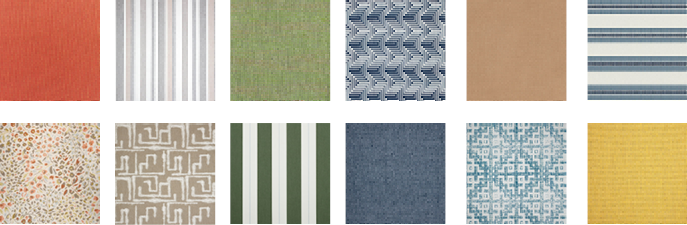
 

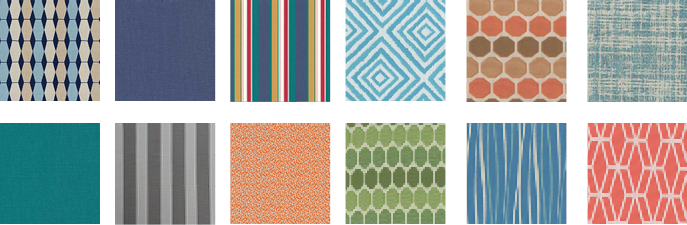
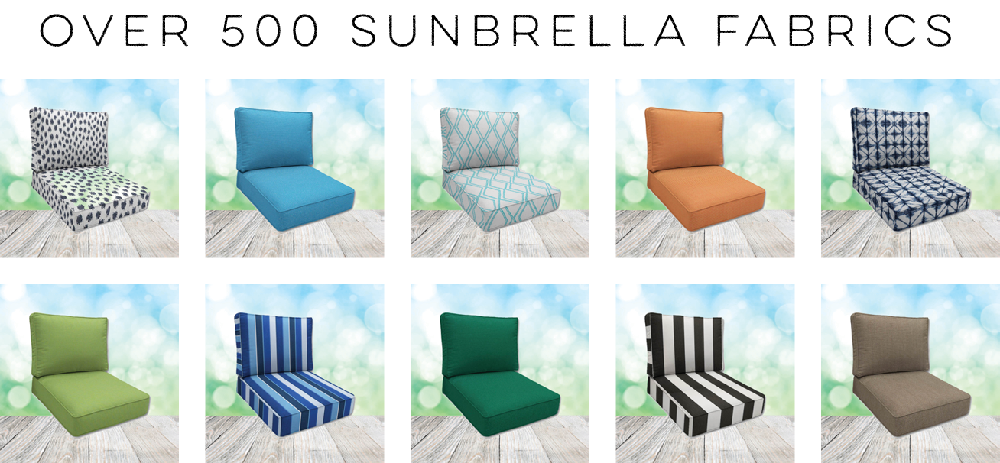
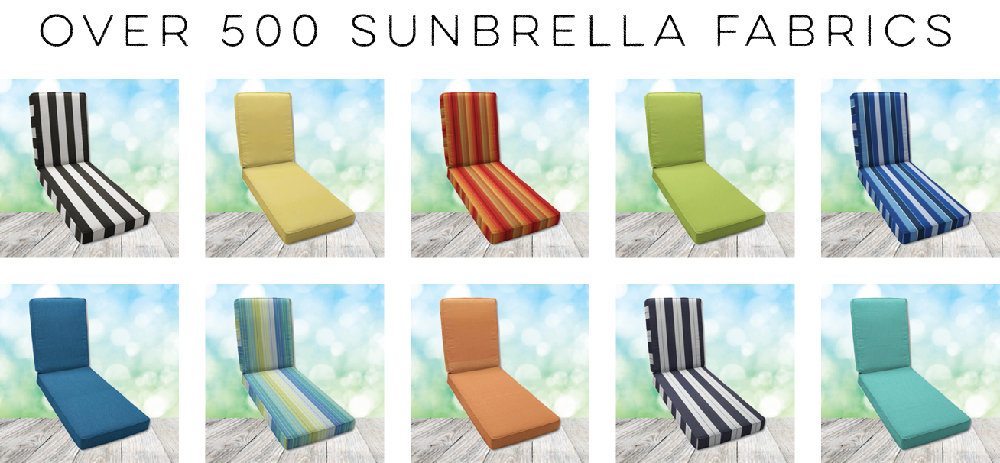
Sunbrella Outdoor Fabrics for Patio Furniture Cushions

CLICK HERE TO VIEW SUNBRELLA FABRICS AND ORDER SAMPLES

Outdura® (by Sattler)

 

Outdura Fabrics for Patio Furniture Cushions and Outdoor Pillows - Solution Dyed Acrylic


Outdura fabrics are 100% solution-dyed acrylic with a premium hand and strong UV performance, backed by a robust warranty. If you want “made here” plus durability, Outdura is a standout for everyday seating. Made in: Hudson, North Carolina, USA (Sattler Corp. campus)
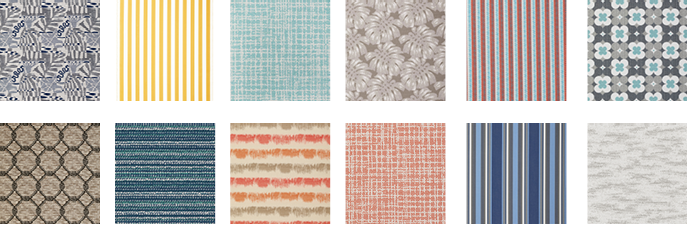
 

Outdura Fabrics for Outdoor Cushions

CLICK HERE TO VIEW AND ORDER OUTDURA FABRIC SAMPLES

Tempotest® (by Parà, Italy)

 

Tempotest Outdoor Fabrics for Patio Furniture Cushions


Tempotest delivers solution-dyed acrylic with Italian styling and excellent outdoor performance for cushions, awnings, and marine. It balances design, hand, and durability for long-term use in sun and weather. Made in: Italy


Tempotest Outdoor Fabrics for Patio Furniture Replacement Cushions

CLICK HERE TO ORDER TEMPOTEST OUTDOOR FABRIC SAMPLES

Revolution® Performance Fabrics (by STI)

 

Revolution Performance Fabrics for Outdoor Cushions

Revolution is woven from solution-dyed olefin (polypropylene)—naturally stain-resistant, bleach-cleanable, and PFAS-free by construction. It’s a great value/performance option for outdoor cushions and high-use family spaces. Made in: USA (Kings Mountain, North Carolina).
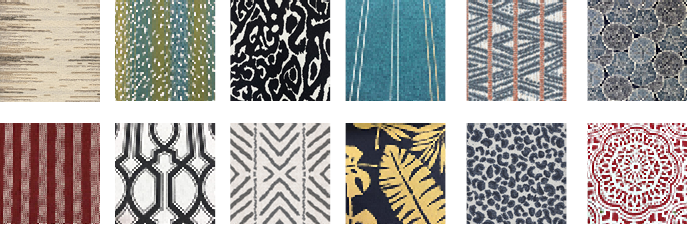
 

Revolution Outdoor Fabrics for Patio Furniture Cushions

CLICK HERE TO ORDER REVOLUTION OUTDOOR FABRIC SAMPLES

Premier Prints® Outdoor

Premier Prints Outdoor Fabrics for Patio Furniture Cushions

Premier Prints Outdoor offers printed polyester designs—bold patterns at approachable prices—ideal for accent pillows and covered spaces (best for trend color refreshes vs. longest life in direct sun). Made in: Designed & printed in the USA (brand HQ in Sherman, Mississippi).
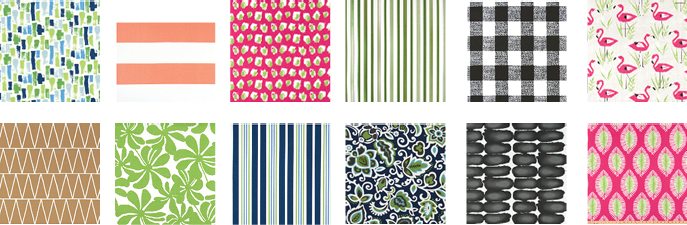
 

Premier Prints Outdoor Fabrics for Custom Cushions & Pillows


Outdoor Fabric Brand Comparison Table 

ManufacturerParent CompanyParent HQ (City, Country)Stocked In (State)Distributor / NotesFiber Content
Sunbrella®Glen Raven, Inc.Burlington, USAMebane, NCMany mill/DC locations; a large volume routes through Mebane, NC (and Anderson, SC for manufacturing).SDA (Solution-Dyed Acrylic)
Outdura®Sattler Corp. (Sattler Group)Graz, Austria (US base: Hudson, USA)Hudson, NCSailrite stocks cut yardage; also available via trade distributors.SDA (Solution-Dyed Acrylic)
Tempotest®Parà S.p.A.Rho–Milan, ItalyCincinatti, OHCommonly stocked in the US by Miami Corporation (OH).SDA (Solution-Dyed Acrylic)
Revolution®STI (Specialty Textiles, Inc.)Kings Mountain, USAKings Mountain, NCMill-direct and select distributors; noted for PFAS-free construction.SDO (Solution-Dyed Olefin/Polypropylene)
Premier Prints® OutdoorPremier Prints, Inc.Sherman, USASherman, MSPrinted and shipped domestically; broad pattern availability.PP (Printed Polyester)


Content key:

  • SDA = Solution-Dyed Acrylic

  • SDP = Solution-Dyed PolyesterReady to choose the right fabric for your outdoor cushions?

  • PP = Printed Polyester

Start a design consult or order fabric swatches so you can see and feel the difference in your own light.

 

How To Store Outdoor Cushions For The Winter

How to properly store your outdoor cushions for the winter season

Storing Outdoor Patio Cushions for Winter: The Complete Guide


Quick Overview (Why this matters)

Moisture + cold + rodents = mold, stains, and chewed foam. A simple pre-storage routine protects your cushions so they look great in spring—and last years longer.


Check list on how to store your outdoor cushions for the winter.


PhaseActionWhy It MattersTools/MaterialsCheck
1) Pre-CleanBrush off debris; vacuum seams/pipingRemoves grit that abrades fabric & traps moistureSoft brush, vacuum upholstery tool[ ]
1) Pre-CleanSpot clean with mild soap + water; rinsePrevents stains from “setting” over winterBucket, mild soap, sponge, hose[ ]
2) Disinfect (if needed)Treat mildew; rinse thoroughlyStops spores from spreadingFabric-safe mildew cleaner (per fabric care)[ ]
3) DryingAir-dry 24–48 hours until 100% dryWet storage = mold, odor, rusted zippersDry rack, ventilated/sunny area[ ]
4) PrepZip covers, fluff, label sets/locationsHolds shape & speeds spring setupTags or painter’s tape + marker[ ]
5) BaggingUse breathable bags/sheets (no plastic wrap)Avoids trapped condensationBreathable storage bags, cotton sheets[ ]
6) ContainersPlace bagged cushions in latching bins; elevatePest protection; flood protectionLocking bins, shelves/pallets[ ]
7) Moisture ControlAdd desiccant packs; avoid mothballsReduces humidity, no toxic odorsSilica/desiccants, cedar blocks[ ]
8) Rodent-ProofingSeal gaps; use locking lids; peppermint nearbyDeters squirrels/mice from nestingWeatherstrip, steel wool, sachets[ ]
9) LocationClean, dry, temp-stable; avoid bare concretePrevents moisture swings & odorCloset, climate-controlled garage, basement shelf[ ]
10) Mid-Winter CheckInspect for moisture/pests; refresh desiccantsCatches problems earlyFlashlight; spare desiccants[ ]


The Checklist 


Before You Store Your Outdoor Cushions


  • Brush, vacuum, and pre-clean cushions and pillows.

  • Treat mildew if present; rinse thoroughly.

  • Air-dry 24–48 hours until completely dry (inside & out).

  • Zip covers; fluff; label by furniture set or location.

  • (Optional) Apply fabric protector per manufacturer after drying.


How & Where to Store Your Outdoor Cushions


  • Use breathable bags/sheets (no airtight plastic or shrink wrap).

  • Put into latching bins and elevate off floors (shelves/pallets).

  • Add desiccants; consider cedar blocks for freshness.

  • Choose a clean, dry, temperature-stable spot (indoor closet, climate-controlled garage, basement shelving, ventilated shed with rodent controls).

  • Seal gaps; keep food/birdseed away from storage area.


Mid-Winter Maintenance for Outdoor Cushions


  • Quick inspection for moisture, odor, or pests.

  • Replace/recharge desiccants if saturated.


What Not To Do When Storing Outdoor Cushions for The Winter

  • Don’t store cushions wet or even slightly damp.

  • Don’t wrap tightly in plastic or vacuum-seal (traps moisture, crushes foam).

  • Don’t set bins directly on concrete—elevate them.

  • Don’t use mothballs (odor/toxicity linger in fabrics).

  • Don’t leave cushions outdoors under covers all winter—condensation still happens.


Squirrels & Chewing 

Fat Frank (our cushion-loving squirrel) says: “Foam = terrible winter bedding. 0/10, would not nest again.”
Reality check: squirrels and mice will chew fabric/foam for nests.
Prevention: store indoors or in sealed, ventilated spaces; use locking-lid bins; block gaps with steel wool; keep seed/food away; place peppermint/cedar near (not on) fabric.


Storage Options (pick what fits)

  • Best: interior closet/spare room (clean, dry, stable temps).

  • Climate-controlled garage: shelves + desiccants + locking bins.

  • Basement: elevate off floor; add airflow and desiccants.

  • Ventilated shed: only with locking bins, breathable bags, rodent controls.

  • Storage unit: choose climate-controlled; avoid over-stacking to prevent foam deformation.


Spring Setup - Getting your outdoor cushions ready for the season.

  • Unbag and air out for a few hours.

  • Quick surface clean if needed.

  • Re-attach/repair loose buttons/ties immediately.


Quick FAQs

  • How dry is “dry enough”? Bone-dry. No cool/damp feel at seams or zippers.

  • Can I vacuum-seal cushions? Not recommended—moisture gets trapped and foam can deform.

  • Is a deck box okay? Only if vented/rodent-resistant, placed dry/covered, and cushions go in fully dry. Indoors is best.

  • Use fabric protector in fall? Yes—after cleaning and drying, follow product directions and allow to cure fully.

Subscribe For An Extra 10% Off Your First Order And Receive Our FREE How To Measure Guide